 Plants, Practically
Vegan Grocery List: Build Flexible Meals, Not a Museum
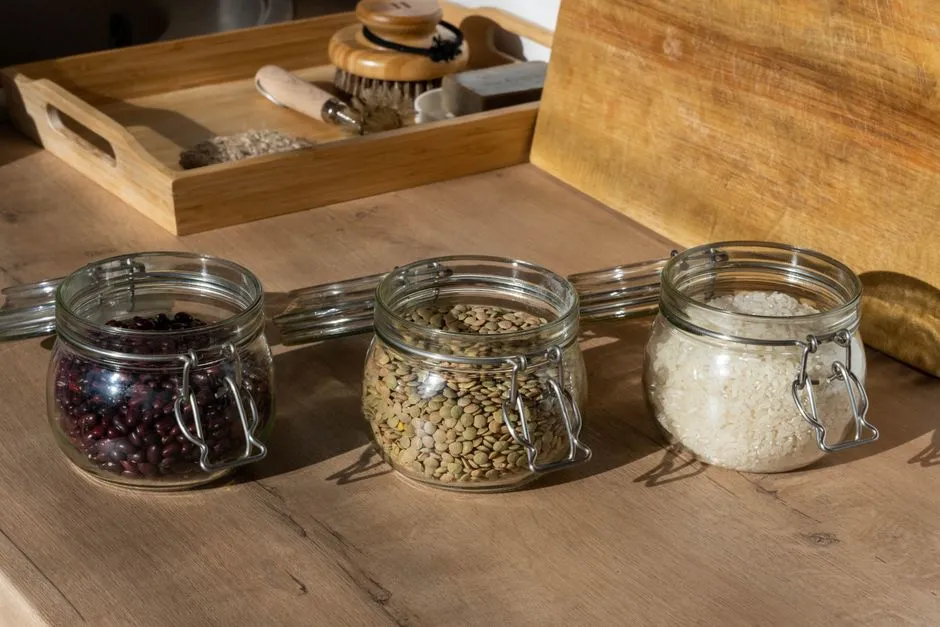
- Shop for meal components, not an aspirational pantry portrait
- Choose two or three protein anchors
- Choose two grains or starches
- Buy produce by function
- Add fat, texture, and omega-3 sources
- Inspect fortified staples nutrient by nutrient
- Keep five flavour builders
- Turn one basket into several meals
- Shop by unit price and usable amount
- Use an “eat first” system
- Keep an emergency meal that needs no inspiration
Shop for meal components, not an aspirational pantry portrait
A useful vegan grocery list contains two or three protein anchors, two grains or starches, vegetables and fruit, flavour builders, nuts or seeds, and reliable fortified foods. Buy quantities your household will use in one planning cycle. The goal is several flexible meals, not a cupboard that looks prepared to cater an ethical symposium.
A starter basket might hold lentils, chickpeas, tofu, oats, rice, potatoes, frozen mixed vegetables, greens, onions, fruit, canned tomatoes, peanut butter, ground flax, bread, and a suitably fortified plant milk. Add herbs, spices, vinegar, and a sauce you genuinely like.
Vitamin B12 still needs a deliberate fortified-food or supplement plan. “Vegan groceries” describes ingredient choices, not automatic nutritional adequacy.
Choose two or three protein anchors
Choose one shelf-stable, one refrigerated or frozen, and one convenience option if the budget allows.
Shelf-stable
- Dried or canned lentils, chickpeas, black beans, white beans, or split peas.
- Textured vegetable protein.
- Peanut or other nut butter where allergies permit.
- Shelf-stable tofu in markets that carry it.
- Bean or lentil pasta.
Refrigerated or frozen
- Tofu, tempeh, or edamame.
- Soy yoghurt with useful fortification.
- Seitan when gluten is suitable.
- Frozen bean burgers or soy mince.
Convenience
- Canned chilli or bean soup labelled vegan.
- A meat alternative with meaningful protein.
- Baked tofu or ready-seasoned legumes.
- Hummus, noting that a typical portion may contribute less protein than a bean-based main.
Compare protein per serving, serving size, sodium, saturated fat, allergens, and price according to the job. A product can be vegan and delicious while contributing mostly crispness and morale. Pair it accordingly.
Choose two grains or starches
Keep one quick option and one that stretches meals: oats and bread, rice and tortillas, pasta and potatoes, couscous and frozen corn, or another culturally familiar pair.
Whole grains can provide fibre and nutrients, but white rice, refined pasta, and bread also have practical roles. Mix according to preference, digestion, cooking time, and the rest of the diet. Nutritional planning should also respect food culture, preference, digestion, and practical cooking time.
Store grains dry and sealed. Freeze bread, wraps, or cooked rice portions when spoilage is likely. Cool cooked grains promptly and refrigerate within food-safety guidance; reheating does not grant unlimited storage.
Buy produce by function
Choose:
- One aromatic base: onions, garlic, spring onions, celery, or ginger.
- Two cooking vegetables: frozen broccoli, peppers, squash, cabbage, carrots, mushrooms, or greens.
- One raw or quick vegetable: cucumber, tomato, salad greens, snap peas, or slaw mix.
- Two fruits: one durable, one more perishable.
- One acid: lemons, limes, or a vinegar.
Frozen vegetables are excellent insurance. They are cleaned, portionable, and less likely to evolve quietly in the crisper. Canned tomatoes, pumpkin, corn, and vegetables can reduce prep; compare salt and sauces if relevant.
Buy the form you will use. A whole butternut squash is not more virtuous if wrist pain, time, or knife confidence means it remains a decorative bowling pin.
Add fat, texture, and omega-3 sources
Pick two: peanut butter, tahini, nuts, pumpkin seeds, sunflower seeds, ground flax, chia, hemp, avocado, olives, or oil. Store nuts, seeds, and opened oils according to label directions to protect quality.
Ground flax, chia, walnuts, hemp, and canola or rapeseed oil can contribute alpha-linolenic acid, an omega-3 fat. Individual needs for longer-chain omega-3 supplements vary; algae-derived products exist, but pregnancy, medication, health, and dose warrant professional advice.
Use toppings as part of the meal, not as a substitute for substantial meals. A tablespoon of seeds can add texture and useful nutrients within the broader plan.
Inspect fortified staples nutrient by nutrient
Plant milks and yoghurts vary. Compare protein, calcium, vitamin B12, vitamin D, iodine where relevant, added sugar, and serving size. Shake when directed because added minerals can settle.
Soy and pea drinks often contain more protein than many almond, oat, rice, or coconut drinks, but brands differ. Select for the whole diet and intended use. A low-protein drink can still work when meals contain ample protein.
Our vegan B12 guide explains why fortification must appear on the current panel. Unfortified plant milk is not a reliable B12 source.
Children, pregnancy, allergies, kidney conditions, and other medical needs change product selection. Ordinary plant drinks are not infant formula; obtain paediatric or dietetic guidance.
Keep five flavour builders
A budget pantry becomes flexible when the same beans can travel.
Choose from:
- Soy sauce or tamari where suitable.
- Miso.
- Curry paste after checking ingredients.
- Canned tomatoes.
- Coconut milk.
- Vinegars.
- Mustard.
- Tahini.
- Chilli crisp or hot sauce.
- Dried herbs and spices.
- Nutritional yeast, fortified if it is part of the B12 plan.
Read curry pastes, sauces, soup bases, and seasoning blends for fish, shellfish, dairy, honey, egg, or animal-derived flavouring. Recipes vary by brand. The vegan label guide gives a repeatable process.
Salt and highly flavoured convenience foods can accumulate across a meal. Compare products if sodium matters medically, but do not solve this by making dinner taste like an apology. Acid, aromatics, toasted spices, herbs, and texture add flavour too.
Turn one basket into several meals
Suppose the basket contains lentils, chickpeas, tofu, oats, rice, pasta, potatoes, onions, frozen broccoli, cabbage, spinach, apples, bananas, canned tomatoes, peanut butter, ground flax, fortified soy milk, curry paste, and bread.
It can become:
- Lentil tomato pasta with spinach.
- Tofu, broccoli, and rice with peanut sauce.
- Chickpea-potato curry with cabbage.
- Savoury lentils on toast with wilted greens.
- Oats with fortified soy milk, banana, peanut butter, and ground flax.
- Leftover rice bowl with crisp tofu and slaw.
Each main follows the balanced vegan meal formula: meaningful protein, satisfying starch, produce, and fat or sauce. Across the day, fortified foods and supplements support the planned nutrients.
Shop by unit price and usable amount
Unit price helps compare package sizes, but the cheapest large bag is expensive when it spoils or overwhelms storage. Account for cooking fuel, soaking time, freezer room, transport, and physical capacity.
Dried beans can cost less per cooked portion; canned beans save time and are still useful. Rinse when that suits sodium needs. Tofu prices vary widely by shop. Frozen vegetables can beat fresh produce that repeatedly expires.
Keep a small price book using real receipts. Universal claims that vegan eating is always cheaper or always expensive ignore geography, subsidies, access, disability, culture, and time. Your own five staple prices are more actionable than an international argument staged around one avocado.
Use an “eat first” system
Dedicate one refrigerator shelf or clear bin to foods that need attention. Put ripe fruit, opened tofu, cooked grains, leftovers, and half-used vegetables there. Plan the next meal from that box before opening another ingredient.
Write dates on leftovers and freeze portions early. Keep an inventory of frozen cooked beans, bread, rice, sauces, and vegetables. Schedule a weekly “assembly meal” that combines remaining components without requiring a new recipe.
Meal planning can be as small as:
- Cook one grain.
- Prepare one protein.
- Make one sauce.
- Wash or buy two ready vegetables.
- Decide which night uses leftovers.
This keeps preparation flexible without requiring an entire week of identical portions.
Keep an emergency meal that needs no inspiration
Choose two shelf-stable or frozen combinations:
- Canned lentil soup plus bread and frozen greens.
- Beans, microwave rice, salsa, and frozen corn.
- Pasta, jarred sauce, and textured vegetable protein.
- Peanut noodles with frozen vegetables.
- Oats, fortified plant milk, nut butter, and fruit.
Check that at least one has substantial protein and that the overall day includes the nutrient plan. Emergency meals prevent expensive takeout or skipped food when energy, pain, work, or weather disrupts the ideal schedule.
The best vegan grocery list is not the longest. It is the one that becomes breakfast, lunch, dinner, and one competent leftover before anything turns furry. Build around foods you know, add fortification with intent, and expand only when a new ingredient has a job. Keep the first version short enough to repeat; a dependable ten-item basket beats a sprawling list that requires three shops and heroic optimism.
Frequently asked questions
What should a beginner vegan buy first?
Start with familiar components: beans or lentils, tofu or another protein, rice or pasta, oats, potatoes, frozen vegetables, fresh produce you reliably eat, canned tomatoes, bread, nut or seed butter, herbs and sauces, and a suitably fortified plant milk. Add a reliable B12 strategy. One week of usable food is better than twenty specialist ingredients observing you from a shelf.
How can I shop vegan on a budget?
Compare unit prices, use dried or canned legumes, choose store-brand grains and frozen vegetables, buy seasonal produce, plan leftovers, and limit speciality substitutes that do not earn their place. Tofu and peanut butter can be economical protein options depending on local prices. Budget claims vary by region and store, so build a price book from your receipts rather than trusting a universal “cheapest diet” slogan.
Are frozen and canned vegetables healthy choices?
They can be practical nutritious choices. Frozen produce is convenient and reduces spoilage; canned vegetables and beans provide long storage. Compare added salt, sugar, sauces, and serving sizes according to your needs, and rinse canned beans when useful. Variety and actual use matter more than a fresh-versus-frozen morality play. People with medical sodium or potassium restrictions need individual advice.
Which plant milk should I choose?
Choose by nutrition, use, allergies, and taste rather than the front label alone. Check protein, calcium, vitamin B12, vitamin D, iodine if relevant, added sugar, serving size, and whether fortification settles during storage. Soy and pea drinks often provide more protein than many nut or grain drinks, but products vary. Infants and young children require specific professional guidance; plant drinks are not interchangeable with infant formula.
Do I need vegan meat and cheese alternatives?
No, but they can support convenience, familiarity, protein intake, social meals, or transition. Compare protein, sodium, saturated fat, fortification, allergens, price, and how the product fits the whole meal. Some are nutrient-dense; others mainly provide flavour and texture. Enjoyment matters too. A bean does not receive an ethics medal because a burger had a longer ingredient list.
How do I prevent vegan groceries from going to waste?
Plan overlapping meals, buy perishables in realistic quantities, freeze bread and cooked components, keep an “eat first” box visible, and schedule one leftovers meal. Choose frozen produce for ingredients you use unpredictably. Store nuts, seeds, grains, and fortified foods according to labels. Compost unavoidable suitable scraps where available, but prevention saves the food, money, packaging, and cooking energy first.