 Plants, Practically
Balanced Vegan Meals: A Practical Plate Formula
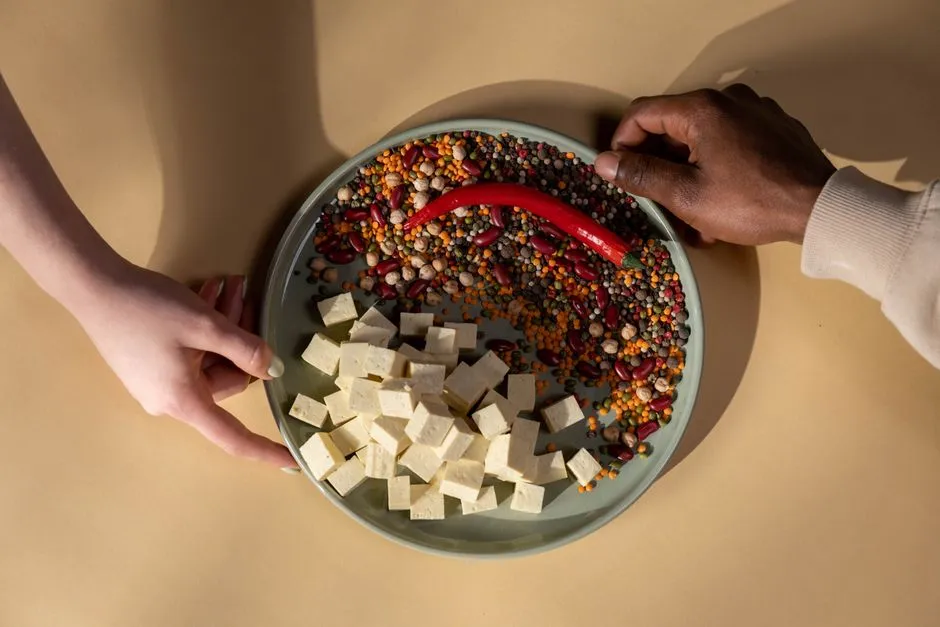
- Build meals from four parts and plan the nutrients across the day
- Start with a genuine protein anchor
- Add a starch or grain that makes the meal last
- Use vegetables and fruit for variety, not punishment
- Include fat on purpose
- Treat vitamin B12 as infrastructure
- Build calcium into repeatable foods
- Pair plant iron with vitamin C
- Plan iodine without improvising with seaweed
- Remember zinc, selenium, and the whole pattern
- Use a five-minute meal audit
- Read labels for purpose, not purity points
- Get individual help when the stakes are higher
Build meals from four parts and plan the nutrients across the day
A practical balanced vegan meal combines a substantial protein food, a grain or starchy vegetable, vegetables or fruit, and a source of fat or flavour. Across the day—not necessarily on one photogenic plate—include reliable vitamin B12, calcium, iodine, vitamin D, iron, zinc, selenium, omega-3 fat, and enough total energy and protein.
That sounds like a committee meeting until it becomes dinner: lentil tomato sauce over pasta with greens and olive oil; tofu, rice, broccoli, and peanut sauce; black beans, potatoes, cabbage slaw, and avocado. The formula creates options rather than nutritional theatre.
A vegan diet can be nourishing with planning. It is not automatically adequate because the ingredients came from plants, and it is not automatically deficient because cheese missed the meeting. Mainstream dietetic guidance emphasises variety, fortified foods, and supplements for nutrients that are difficult to obtain reliably.
Start with a genuine protein anchor
Choose a food that contributes meaningful protein and energy, not three chickpeas introduced to a lettuce leaf.
Useful anchors include beans, lentils, peas, tofu, tempeh, textured vegetable protein, soy mince, edamame, seitan when gluten is appropriate, and formulated meat alternatives. Nuts, seeds, whole grains, and some plant milks contribute protein too, though their amounts per usual serving vary.
Rotate sources across the day. Plant foods contain different amino-acid patterns, and varied adequate intake supports the overall supply. Most people do not need to combine a precise pair at every meal, but repeatedly eating a narrow low-protein pattern can still come up short.
Needs increase or change with body size, age, pregnancy, breastfeeding, training, illness, healing, and reduced appetite. Kidney disease and other medical conditions may require a different plan. A registered dietitian can translate a requirement into foods without asking you to become emotionally attached to a tracking app.
Add a starch or grain that makes the meal last
Rice, oats, pasta, bread, corn, quinoa, barley, potatoes, sweet potatoes, and other grains or starchy vegetables provide energy and, depending on the food, fibre, protein, iron, zinc, and other nutrients.
Choose whole-grain versions often when they suit digestion, access, and the recipe. Refined grains are not forbidden; white rice may be culturally central, easier to tolerate, faster to cook, or exactly right under a saucy bean. Balance describes a pattern, not a courtroom where bread must defend itself.
If a meal leaves you hungry quickly, the problem may be insufficient total food rather than a mysterious vegan defect. Add more starch, protein, fat, or all three. A mountain of raw vegetables can occupy a bowl while providing less energy than the eater needs.
Use vegetables and fruit for variety, not punishment
Include several colours and types across the day: leafy greens, cruciferous vegetables, peppers, tomatoes, squash, carrots, mushrooms, berries, citrus, and whatever is affordable, available, and actually eaten.
Fresh, frozen, and canned options all have uses. Frozen vegetables reduce prep and spoilage. Canned tomatoes, pumpkin, corn, and fruit can make meals possible when time, mobility, season, or budget constrains shopping. Check added salt, sugar, and sauces according to individual needs.
Fruit belongs in a balanced diet; it is not a confection impersonating produce. Pair it with oats, soy yoghurt, nuts, or a meal when that improves satisfaction.
Include fat on purpose
Nuts, seeds, tahini, peanut butter, avocado, olives, and plant oils add energy, texture, and fatty acids. Very low-fat eating can make it harder to meet energy needs and enjoy food, particularly for children or people with small appetites.
For alpha-linolenic acid, an omega-3 fat, mainstream guidance commonly points to ground flaxseed, chia seeds, walnuts, hemp seeds, and rapeseed or canola oil. Conversion to longer-chain omega-3 fats varies. Algae-derived DHA or EPA may be relevant for some people; discuss individual needs, pregnancy, medication, and product selection with a qualified professional.
Whole flaxseed can pass through poorly broken, so use ground flax and store it as directed to limit rancidity. A seed is allowed to be nutritious without being granted magical jurisdiction over every organ.
Treat vitamin B12 as infrastructure
Unfortified plant foods do not naturally provide reliable vitamin B12. Vegans need a consistent plan using fortified foods, a suitable supplement, or a professionally advised combination.
Check the current Nutrition or Supplement Facts panel. Fortification varies among plant milks, yoghurts, cereals, meat alternatives, and nutritional yeast, and manufacturers can change formulas. “Nutritional yeast” is not synonymous with “fortified with B12.”
Our vegan vitamin B12 guide explains label checking and why seaweed, spirulina, fermented foods, mushrooms, and internet confidence are not substitutes for a reliable source.
Dose and schedule depend on product, age, absorption, health, pregnancy, medication, and clinical history. Seek professional advice instead of copying a stranger’s megadose. Diagnosed deficiency requires clinical treatment.
Build calcium into repeatable foods
Calcium-set tofu, appropriately fortified plant drinks and yoghurts, tahini and sesame, beans, and some lower-oxalate leafy greens can contribute calcium. Spinach contains calcium but its oxalate content makes much of that calcium less available; it should not carry the plan alone.
Shake fortified plant milk when the label instructs because added minerals can settle. Compare the amount per serving and the serving you actually use. A splash in coffee may not equal a full labelled serving, despite being spiritually important.
Vitamin D supports calcium metabolism and has limited food sources. Fortified foods and supplements may be needed depending on location, season, skin exposure, age, health, and public-health guidance. Check whether the product’s vitamin D source fits your vegan criteria.
Bone health also involves adequate food, protein, weight-bearing activity where safe, hormones, medication, smoking, alcohol, and medical conditions. No single kale leaf carries the skeleton independently.
Pair plant iron with vitamin C
Beans, lentils, tofu, tempeh, pumpkin seeds, whole grains, dark leafy vegetables, and fortified cereals can provide iron. Plant non-haem iron is generally absorbed less efficiently and is more affected by meal composition than haem iron.
Add vitamin C at the same meal: peppers with beans, broccoli with tofu, citrus with oats, tomatoes with lentils, or berries with fortified cereal. Tea and coffee around meals can reduce non-haem iron absorption, which may matter especially when iron status is low.
Do not diagnose iron deficiency from tiredness or take high-dose iron without guidance. Fatigue has many causes, and too much iron can harm. A clinician can test and treat the actual issue.
Plan iodine without improvising with seaweed
Iodine supports thyroid hormone production, but both inadequate and excessive intake can cause problems. Plant-food iodine depends partly on soil and production; plant milks are not consistently fortified with it.
Iodised salt, iodine-fortified products, and supplements can provide iodine depending on country and individual needs. Seaweed content varies enormously by species and product, making it a poor casual dosing system. Check labels and seek qualified advice, especially with thyroid disease, pregnancy, breastfeeding, medication, or a low-salt diet.
Salt reduction advice and iodine planning can coexist; the solution is not to pour extra salt on dinner because the label learned a new mineral.
Remember zinc, selenium, and the whole pattern
Beans, lentils, tofu, tempeh, whole grains, nuts, and seeds contribute zinc. Soaking, sprouting, fermenting, and leavening can change phytate and availability, but nobody needs to turn every lunch into a food-science practicum.
Selenium in plant foods varies with soil. Brazil nuts can contain highly variable amounts, so using an uncontrolled handful as a daily supplement is not a precision plan. Check national guidance and discuss supplements when relevant.
Fortified foods can bridge several nutrients, but more is not always better. Combine cereal, plant milk, nutritional yeast, and supplements on paper occasionally to avoid unintentionally stacking high intakes.
Use a five-minute meal audit
Before serving, ask:
- Where is the substantial protein food?
- Is there enough starch or grain for energy?
- Are vegetables or fruit adding variety?
- Is there a useful fat or sauce?
- Which planned foods or supplements cover B12 and other priority nutrients today?
If the meal is pasta with tomato sauce, add lentils or soy mince, serve greens, and finish with olive oil or nuts. If it is vegetable curry and rice, add chickpeas or tofu and check that the day contains a reliable fortified food. If it is toast, make it peanut-butter toast with fruit and a fortified drink rather than apologising to the toast.
The vegan grocery list turns this formula into flexible shopping. Keeping canned beans, tofu, frozen vegetables, grains, sauces, nuts or seeds, and suitable fortified staples removes much of the nightly decision load.
Read labels for purpose, not purity points
Check allergens first when relevant, then serving size, protein, fortification, sodium, saturated fat, added sugar, and ingredients according to what the product needs to do in the meal. A meat alternative may be useful protein; another may mainly offer flavour. Both can have a place, but they are not nutritionally interchangeable.
Vegan status is a separate label question. The guide to reading vegan food, clothing, and cosmetics labels distinguishes intentional ingredients, cross-contact warnings, certification, and claims such as plant-based or cruelty-free.
Ethical practice does not require nutritional perfection. Culture, disability, income, food access, sensory needs, allergies, and time shape what is realistic. Convenience food is still food, and gradual change can be meaningful.
Get individual help when the stakes are higher
Consult a registered dietitian or qualified clinician for pregnancy, breastfeeding, infants and children, adolescence, older age, eating disorders, unintended weight change, anaemia, bone concerns, gastrointestinal or kidney disease, diabetes, food allergy, bariatric surgery, medication interactions, or a highly restricted diet.
Bring a typical food record, product labels, and every supplement with dose and frequency. The goal is not to obtain permission to be vegan; it is to make the pattern work for the person living in it.
A balanced meal formula should reduce mental load, not create a new moral spreadsheet. Put a protein anchor beside a satisfying starch, add plants, add flavour and fat, and maintain the nutrient plan across the day. Dinner can be responsible and still have sauce on it.
Frequently asked questions
Can a vegan diet provide enough protein?
It can when total food and protein intake are adequate and meals regularly include legumes, soy foods, seitan where gluten is suitable, nuts, seeds, whole grains, or formulated alternatives. Needs vary with body size, age, training, pregnancy, health, and recovery. Instead of chasing one “complete” superfood, eat varied protein sources across the day and seek individual dietetic advice for high or clinical needs.
What nutrients should vegans pay special attention to?
Vitamin B12 requires a reliable fortified-food or supplement strategy. Calcium, vitamin D, iodine, iron, zinc, selenium, omega-3 fats, and adequate protein and energy also deserve planning, though risk varies by diet and person. Check actual labels because plant milks and meat alternatives are not fortified equally. Pregnancy, children, older age, restricted intake, symptoms, or health conditions call for professional guidance.
Do all vegan meals need beans or tofu?
No. Lentils, peas, soy foods, seitan, nuts, seeds, whole grains, and some meat alternatives can contribute protein. A single light meal need not carry the full day, but repeatedly eating only vegetables and rice may leave protein and energy low. Rotate practical anchors you enjoy. Allergies, coeliac disease, kidney conditions, and other medical needs require individual substitutions rather than a generic list.
How can I absorb more iron from vegan meals?
Combine iron-containing plant foods—such as lentils, beans, tofu, seeds, whole grains, or fortified cereals—with a vitamin C source such as peppers, broccoli, citrus, berries, or tomatoes. Tea and coffee around meals can reduce non-haem iron absorption for some people. Do not self-treat fatigue with high-dose iron; deficiency has multiple causes and excess iron can be harmful. Seek testing and clinical advice.
Is a vegan diet automatically healthy?
No dietary label guarantees nutritional quality. Vegan diets can contain abundant legumes, whole grains, vegetables, fruit, nuts, and seeds, or rely mainly on low-fibre highly processed foods; most real diets fall between. Convenience products can be useful, but plan nutrients and overall variety. “Vegan” answers whether animal-derived ingredients are excluded under a definition, not whether a product meets your medical or nutrition needs.
Who should get personalised vegan nutrition advice?
Seek a registered dietitian or qualified clinician for pregnancy, breastfeeding, infants and children, adolescence, older age, eating disorders, food allergy, gastrointestinal disease, kidney disease, diabetes, anaemia, bone concerns, unintended weight change, bariatric or intestinal surgery, medication interactions, or a highly restricted diet. Bring a typical intake and supplement list. Professional planning supports vegan goals; it need not argue with them.