 Plants, Practically
Gluten-Free Vegan Grocery List: Shop for Both Needs
- What belongs on a gluten-free vegan grocery list?
- Which familiar foods can form the basket?
- Which usual vegan staples need another look?
- What does a U.S. gluten-free claim establish?
- Can oats go on the list?
- How do you turn the list into actual meals?
- What happens to the B12 plan?
- How should a shared household handle the shopping?
- Sources
What belongs on a gluten-free vegan grocery list?
Start with vegetables, fruit, rice, potatoes and suitable beans or tofu, then check every packaged addition for both gluten-free suitability and animal ingredients. Keep a reliable vitamin B12 source through fortified foods or supplements. Vegan labels do not establish gluten-free or allergy safety. For suspected coeliac disease, speak to a clinician before removing gluten for testing; diagnosed coeliac disease and other dietary restrictions need an individual plan with a registered dietitian.
This list is a shopping framework for adults already combining these requirements, including people shopping for a guest. It is not a reason to remove gluten from an otherwise suitable diet. The label discussion below uses U.S. FDA rules; requirements differ elsewhere.
The NIDDK's diagnostic guidance warns that starting a gluten-free diet before diagnostic testing can affect results. If symptoms prompted the shopping change, ask your clinician about testing first.
Which familiar foods can form the basket?
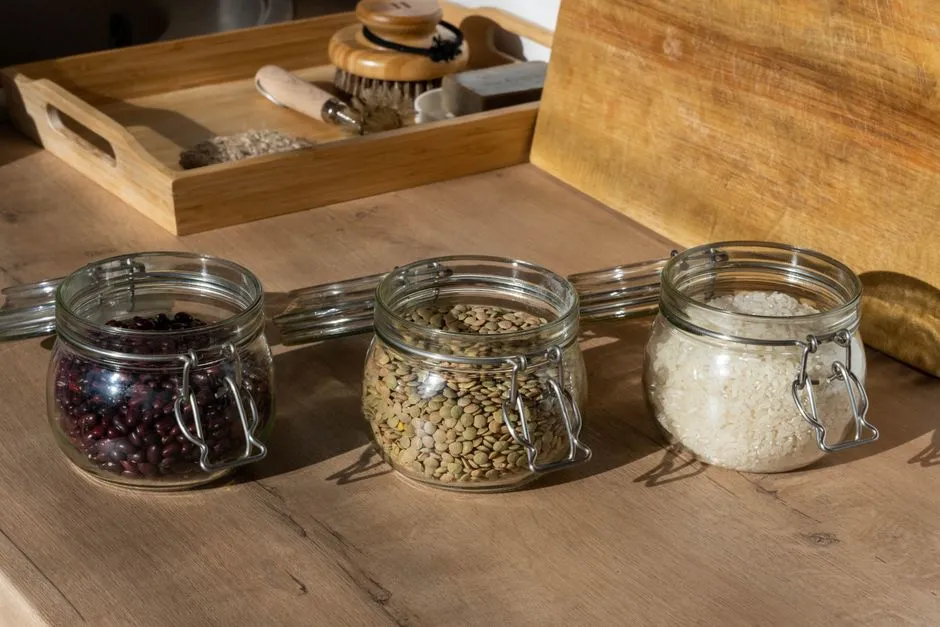
You do not need a specialist replacement for everything. Plain rice, potatoes, fruit and vegetables are naturally gluten-free, as the NHS food guide explains. Added ingredients and preparation still matter.
Coeliac UK's combined-diet guidance includes pulses, suitable tofu, nuts and seeds among non-meat protein options. Its product-check qualifications matter: a food category does not approve every flavoured packet within it.
Use this as a candidate list, checking suitability before purchase:
| Meal job | Candidates | What to check |
|---|---|---|
| Main ingredient | Beans, chickpeas, lentils, plain tofu | Full ingredients and gluten-free suitability of the exact product |
| Starch | Rice, potatoes, a labelled gluten-free pasta | Pasta ingredients must also meet vegan requirements |
| Produce | Carrots, greens, peppers, apples, bananas | Sauces, coatings or additions on prepared versions |
| Finishing ingredient | Nuts, seeds, nut butter | Individual allergies and added ingredients |
| Fortified staple | A suitable plant drink or cereal | Both dietary requirements and the actual nutrient panel |
Choose foods you already enjoy. Our general vegan grocery list helps organize meal roles; this page adds the checks needed when gluten must also be excluded.
Which usual vegan staples need another look?
Seitan is wheat gluten, so it cannot serve as the protein in a gluten-free basket. The Celiac Disease Foundation's ingredient guide also flags traditional soy sauce, barley-containing soups, malt flavouring and some buckwheat noodles containing wheat. A familiar plant ingredient in the product name does not settle the full recipe.
For tofu, check marinades separately. For cereal, read beyond the name of the grain. For ready-made burgers, examine the whole formula rather than assuming that replacing meat removed wheat too.
The reverse problem matters equally. Gluten-free bread, pasta or biscuits can still contain egg or milk. The vegan label guide explains the animal-ingredient check. Keep the two decisions separate on your list: a product needs to pass both.
If a favourite convenience food fails either check, identify its job before choosing another. Is it the main ingredient, a quick starch, a sauce or a snack? Replacing a burger with crackers may solve a label problem while leaving dinner without the component you meant to buy.
What does a U.S. gluten-free claim establish?
For FDA-regulated foods, the FDA's label explanation says a gluten-free claim requires less than 20 parts per million of gluten, alongside other requirements. It is a defined standard, not a claim of absolute zero. Using the claim is voluntary; a naturally gluten-free food may have no such wording.
Do not treat a vegan logo or a wheat-free claim as a substitute for that check. Wheat is not the only gluten-containing grain. If the package leaves an important question unanswered, contact the manufacturer rather than guessing from a shop's shelf label.
Food allergies need their own assessment. The FDA's allergy guidance explains that precautionary statements such as “may contain” are voluntary. Their absence does not demonstrate that cross-contact cannot occur. Follow the person's allergy-management plan; neither of these dietary labels replaces it.
Can oats go on the list?
For coeliac disease, the NIDDK advises discussing whether to include oats, and how much, with a doctor or registered dietitian. If oats are included, they should be gluten-free: contact with gluten-containing grains is a common problem.
Record the agreed product on the list rather than writing only “oats.” Apply the same scrutiny when oats appear inside a breakfast product. Do not assume that a product suits the person merely because oats themselves are its main ingredient.
How do you turn the list into actual meals?
Start with the meals, then buy the ingredients. The following is our own planning exercise, not a tested recipe or a nutritionally complete daily menu. Every packaged ingredient still needs the checks above.
| Planned meal | Put on the list | Resolve before checkout |
|---|---|---|
| Bean-and-rice bowl | Rice, suitable beans, peppers, chosen dressing | Does the dressing meet both requirements? |
| Potato-and-chickpea plate | Potatoes, suitable chickpeas, greens, chosen seasoning | Is the seasoning suitable in this exact version? |
| Pasta with a lentil-based sauce | Suitable gluten-free vegan pasta, suitable lentils, tomatoes | Have both pasta and sauce ingredients been checked? |
These examples deliberately share ingredients. Count the eating occasions you actually need to cover and decide quantities for your household. Buy the amount you expect to use, considering storage, preparation time and appetite. The table supplies combinations, not serving prescriptions.
Give an unavailable item a replacement in the same role. If the chosen pasta is out of stock, switching that meal to rice may be simpler than buying an unfamiliar substitute in a hurry. Recheck any replacement rather than carrying the original product's approval across to it.
What happens to the B12 plan?
It stays on the list. The British Dietetic Association identifies fortified foods and supplements as the reliable B12 sources for vegans. Not every plant drink or cereal is fortified. Read the current panel, and seek dietetic advice about the source and schedule appropriate to you.
If a previously used fortified product no longer meets your requirements, record that gap explicitly. A replacement with similar packaging may not supply the same nutrients. Bring the labels to your dietitian. Our B12 guide explains what information to record without prescribing a universal dose.
How should a shared household handle the shopping?
For coeliac disease, the NIDDK advises storing and preparing gluten-free foods separately from foods containing gluten to prevent cross-contact. Agree the household arrangements with the person affected and their care team. Buying suitable ingredients does not establish that the preparation will also be suitable.
For a guest, ask for specific products and preparation requirements before shopping. Keep packages available so the guest can check them. If you cannot meet a requirement, say so before the meal; do not invite the guest to test an uncertain dish.
Keep a short reusable record: exact product, where it is sold, what you checked, which meal uses it and what remains unresolved. Recheck labels when buying again. The useful list is the one that makes the next shop clearer while leaving medical and allergy decisions with the appropriate professionals.
Sources
- NIDDK: Diagnosis
- NIDDK: Diet and nutrition
- NHS: Coeliac dietary guidance
- Coeliac UK: Combined dietary requirements
- Celiac Disease Foundation: Ingredients
- FDA: Gluten and labels
- FDA: Allergies
- BDA: Plant-based diets
Sources opened and read September 19, 2026.
Frequently asked questions
Does a vegan label mean a food is gluten-free?
No. Vegan and gluten-free checks answer different questions. Read the current package for both requirements, including any sauces or added ingredients. Our list uses separate checks before a product goes into a planned meal. Food allergies require the person's own management plan as well.
Can I buy ordinary oats for someone with coeliac disease?
Do not choose oats on that assumption. The NIDDK advises discussing their inclusion and amount with a doctor or registered dietitian; oats used should be gluten-free. Ask the person which product fits their agreed plan, including when oats are part of another packaged food.
What can replace seitan on this shopping list?
Investigate suitable beans, chickpeas, lentils or tofu for the meal you are planning. Seitan is wheat gluten. Check the exact alternative for ingredients, gluten-free suitability and individual allergies. These are candidate foods, not a promise that any two products provide identical nutrition or behave identically in a recipe.
Can I stop planning B12 once the list meets both requirements?
No. Keep a reliable B12 source through appropriate fortified foods or supplements, with individual advice when needed. A replacement drink or cereal may have different fortification from the one you used before. Record the current panel and discuss any gap with a registered dietitian rather than assuming it is covered.
Should I remove gluten before asking about coeliac testing?
Speak to your clinician first if coeliac disease is suspected. The NIDDK warns that a gluten-free diet can affect diagnostic test results. This shopping framework is for people already combining dietary requirements; it does not diagnose symptoms or recommend starting dietary restriction as a home test.